
Does eye gel really work?
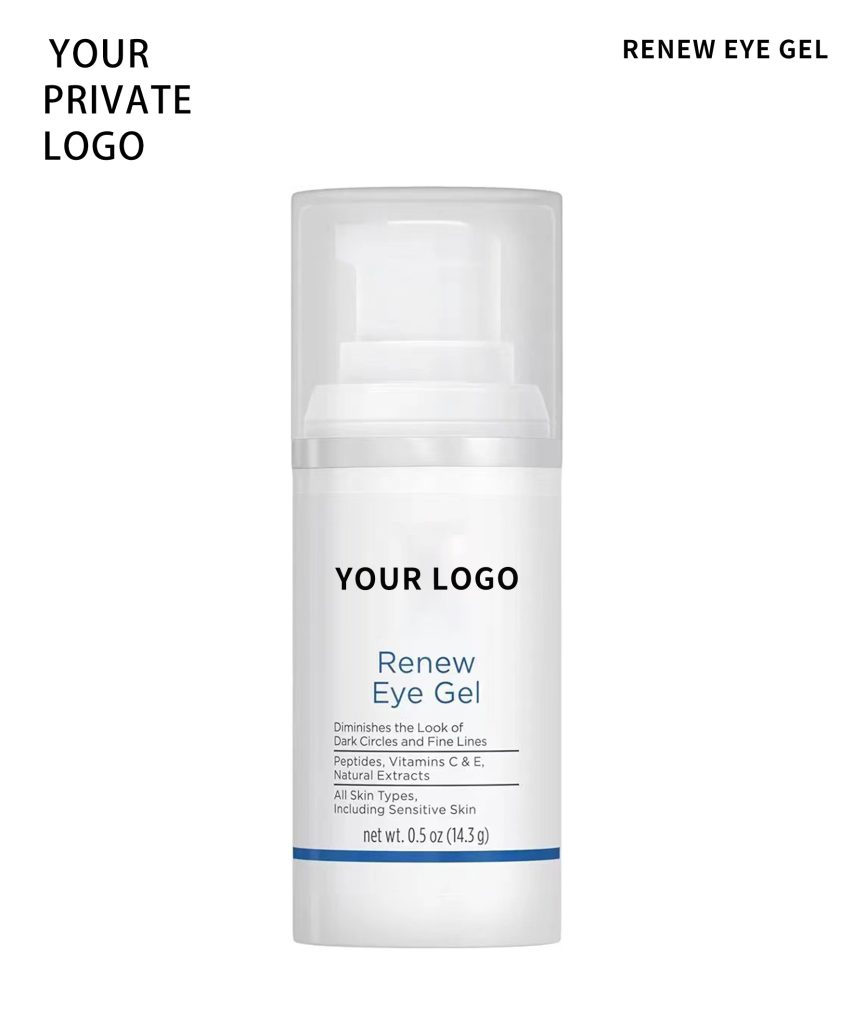
Eye gel has become a staple in modern skincare routines, especially for professionals and consumers seeking targeted care around the delicate eye area. But with so many formulas and claims, the real question remains—does eye gel genuinely deliver results, or is it just another layer of product marketing?
How Eye Gel Works on the Skin
Eye gels are typically formulated with lightweight humectants, peptides, and ingredients designed to hydrate and firm without the heavier feel of creams. They work primarily by drawing in moisture, supporting collagen around the eyes, and providing an instant cooling effect that can temporarily reduce puffiness.
Common Active Ingredients in Eye Gels
- Hyaluronic acid – deeply hydrates and plumps the skin
- Peptides – help strengthen and support the skin barrier
- Caffeine – reduces swelling and dark circles by improving microcirculation
- Niacinamide – brightens and improves overall tone
- Vitamin C or antioxidants – protect delicate skin from oxidative stress
What Results to Expect
For most users, the effects of eye gels are visible in the short term—hydration, smoother skin texture, and a refreshed appearance. Long-term benefits depend on the product’s formulation quality and the consistency of use.
| Benefit | Visible Timeframe | Key Ingredient Type |
|---|---|---|
| Puffiness reduction | 1–2 hours | Caffeine, cooling polymers |
| Hydration boost | Immediate to 24 hours | Hyaluronic acid, glycerin |
| Smoother fine lines | 2–4 weeks | Peptides, retinol (low strength) |
When Eye Gel Works Best
- When used consistently (morning and night)
- When stored in a cool place for enhanced depuffing effect
- When paired with gentle cleansing and daily sunscreen use
- On well-rested skin with proper hydration levels
When Results May Disappoint
Eye gels can underdeliver when expected to eliminate structural dark circles caused by genetics or bone shadowing, or when used inconsistently. Heavier moisturizing needs may require an eye cream rather than a gel texture.
FAQ
1. Can eye gel replace sunscreen around the eyes?
No. Eye gels do not contain sufficient UV filters to protect against sun damage. Always apply a compatible facial SPF as the final layer.
2. How long should I apply eye gel before seeing lasting results?
Visible firming and hydration can occur within days, but consistent use for at least four weeks is needed to evaluate full efficacy.
3. Is eye gel suitable for sensitive skin?
Many gels are formulated for sensitivity, but always verify that the product is ophthalmologist-tested and fragrance-free.
4. Can I use an eye gel under makeup?
Yes, lightweight gels often make excellent primers for concealer, helping to prevent creasing and dryness.
5. Do eye gels help with dark circles?
They can improve the appearance of mild surface-level darkness caused by dehydration or fatigue but will not change pigment-based dark circles.